About This Capstone
The aim of this project is to explain the long-term significance of the end of the Negro Leagues on African American participation in baseball. The Negro Leagues were an important example of black enterprise, borne from the deliberate exclusion of African Americans from White leagues.
It was the African American community’s answer to the color ban. Those who still wanted to play the game they loved did not allow it to deter them. Early teams barnstormed to establish a fan base, traveling throughout the country to challenge white teams in exhibition matches. Monumental events such as World War I and the Great Migration drove the need for baseball as entertainment, which the Negro Leagues readily provided.
Following several unsuccessful attempts, the first Negro National League formed in 1920, with Rube Foster, the strict manager of the Chicago American Giants, at the helm. It proved a successful endeavor and created a system where African Americans participated fully in all facets of baseball: supporting staff, players, coaches, managers, and owners. Yet, the desire for integrated baseball persisted.
However, the intentional way MLB elected to integrate, with no thoughts of consideration or partnership, wrecked the Negro Leagues. It created a domino effect, accelerating the demise of other Black-owned businesses that had once prospered because of the presence of a baseball team. Post-Negro Leagues, baseball suffered a diminishing cultural significance in the African American culture. The sport, once deeply woven into the culture, lost its relevance as it was no longer being passed down to younger generations.
-
7
Officially recognized leagues
-
37
Members inducted into the baseball hall of fame
-
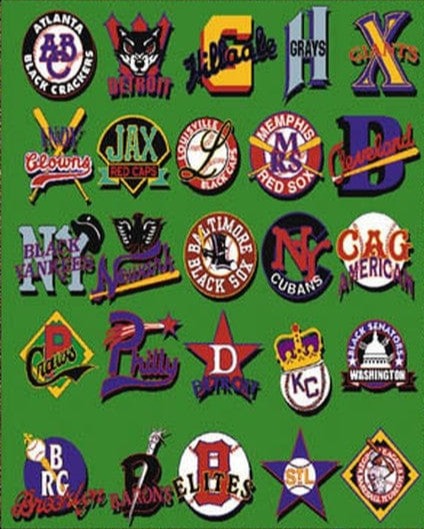
25+
Teams within its history