End of the Negro Leagues (1948-1960s)
Once the color line broke and owners realized the potential profits from acquiring Black players, the fate of the Negro Leagues was sealed. Long plagued with economic hardships stemming from the effects of Jim Crow, the Negro Leagues pushed forward despite it all. Beginning its economic collapse, the MLB plundered the Negro Leagues of their best players, causing a mass exodus of Black fans who opted to follow their favorite players to the white leagues. Losing both assets (players) and revenue (customers) drove many of the leagues to bankruptcy or forced owners to sell at steep losses. Unfortunately, many talented Negro League players were left behind during this time, forcibly evicted from the sport. The message changed, and the Negro Leagues were villainized as emblematic of America's racist past that the Black community so desperately wanted to move on from. The painful irony is that the Negro Leagues, once a symbol of the sheer ingenuity of Black enterprise, could no longer exist because they were emblematic of MLB’s own cruel past.
-
1947
Nearly 60% decline in fan attendance at Yankee Stadium
Not long before, the Negro League doubleheaders were profitable.37
-
1948
End of the Negro National League II
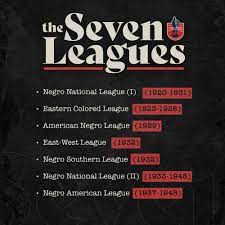
The end of the NNL II marks the end of an era of major Black enterprise, never to return to baseball. Half of the 6 remaining teams (Homestead Grays, Baltimore Elite Giants, Newark Eagles, Philadelphia Stars, New York Cubans, & New York Black Yankees) went bankrupt.37, 39
-
1949
Some of the teams from the defunct NNL II joined the Negro American League (NAL)
The Baltimore Elite Giants, Philadelphia Stars, and the NY Cubans joined the Negro American League. Other teams either folded or tried their luck with barnstorming.40
-
1950s
Domino effect of teams collapsing
As the best players moved to the MLB, the fans migrated over, as well. Negro League team owners struggled to sell tickets. The quality of play declined, and several teams either went bankrupt or were sold at a huge loss.
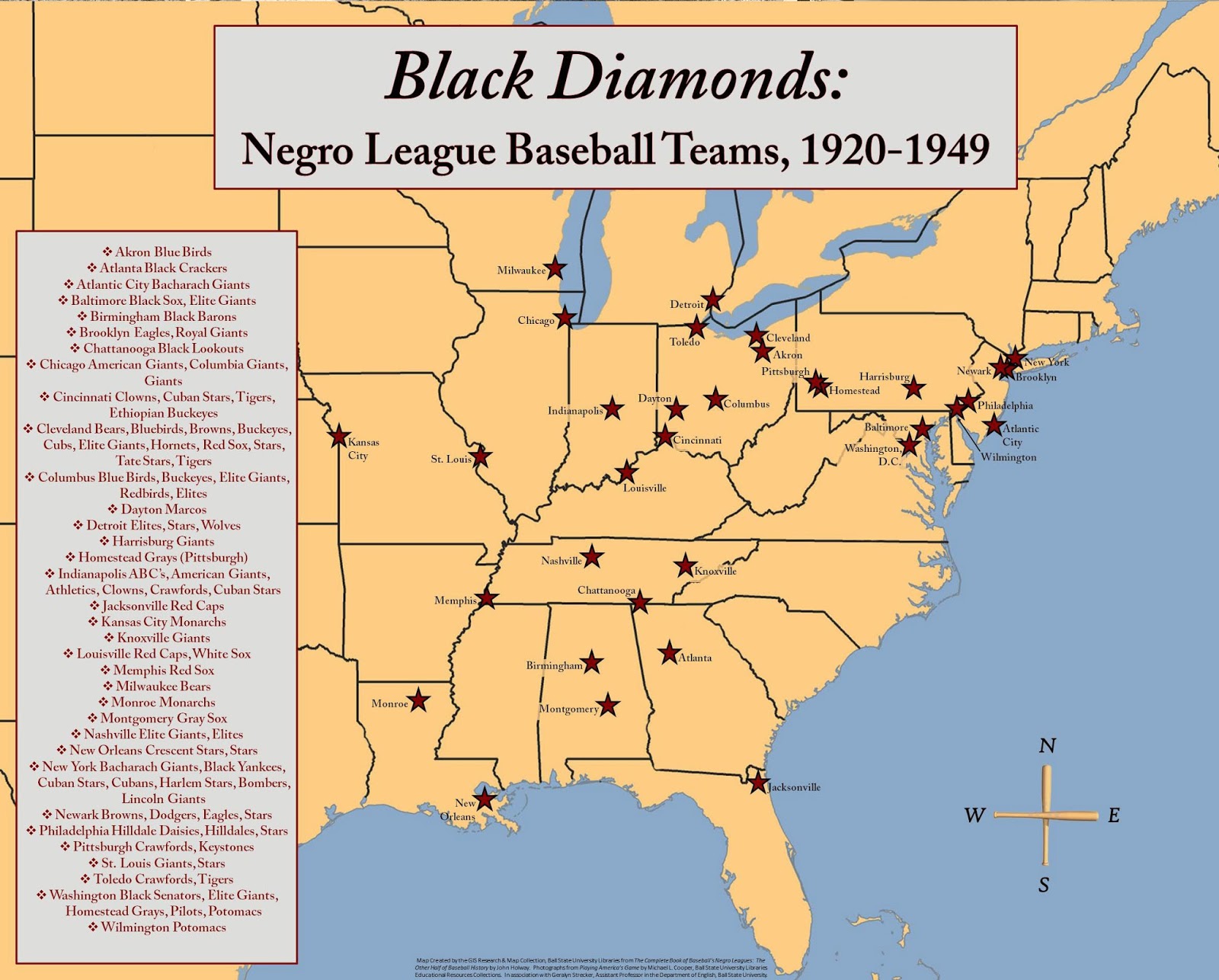
Chicago American Giants, Newark (renamed to Houston) Eagles, and Homestead Grays all closed.37 -
1950s
Amidst the closures, struggling Negro League teams took to barnstorming to survive and recapture fan interest
Generally teams were often more successful traveling to different areas and challenging others. Unfortunately, both the fans and the press had moved on.37
-
1954
Philadelphia A's relocated to Kansas City, causing the Kansas City Monarchs and Negro American League to end
Locations where MLB teams were reluctant to integrate were now able to draw more Black fans than the remaining Negro League games.37
-
August 26, 1962
Final East-West All-Star Game saw the West defeat the East 5-2.
In the last East-West All-Star game, the West defeated the East 5-2. It was mostly ignored by the press; only one paper provided partial information. No attendance record was listed. But the previous All-Star game in 1961 drew 7,000 fans.37, 41
-
1960s
End of the Negro Leagues
By this time, the only surviving Negro League, the Indianapolis Clowns, had converted into a comedy show in 1966 and lasted until 1988.30